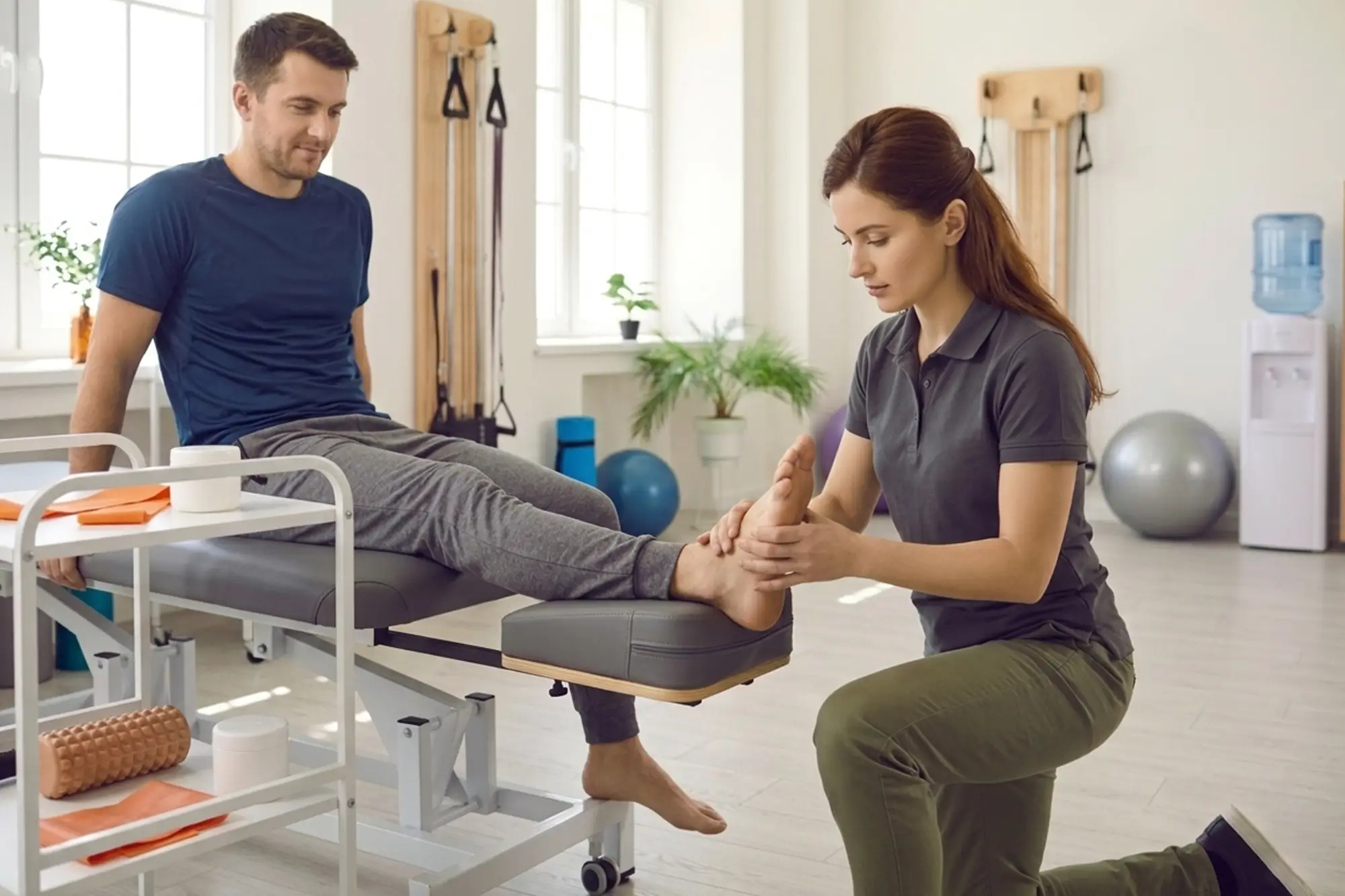
You have a surgery date, or you are already home with a brace and a printout. Surgery repairs the tissue. What happens in the weeks either side of it decides how you move a year from now.
Nobody sat you down and explained what the weeks around your procedure are supposed to look like. You have a discharge sheet, a follow-up appointment, and a lot of guessing in between. That gap is where recovery goes sideways: stiffness settles in, strength drains away, and the setback you get blamed for was never really about effort. Recovery is predictable when someone is watching it week to week. Here is what usually goes wrong when nobody is.

Prehabilitation is the work you do before the procedure, and it is the most overlooked part of the whole process. The stronger and more mobile the joint is going in, the less ground you have to make up coming out. Prehab builds mobility so the joint stiffens less afterward, strengthens the muscles around the area so they are still there when you need them, and sharpens balance and coordination so those first weeks on your feet are steadier.
The first weeks after surgery are when a joint decides how much motion it is going to give you back. Swelling limits movement, scar tissue lays down where the joint stops moving, and muscle mass drops fast. Gentle mobility work started early keeps circulation and flexibility going, and hands-on treatment manages the pain and swelling that make movement feel impossible. Waiting for it to settle on its own is how motion gets lost for good.
Motivated patients are the ones who tend to overshoot. You feel better on a good day, do more than the tissue is ready for, and spend the next few days back where you started. Healing tissue has a schedule, and it does not negotiate. Knowing which discomfort is normal and which is a signal to back off is most of the skill in early recovery, and it is far easier when someone is checking your progress in person.
The opposite error is just as common. Sitting still because movement hurts feels sensible, and for a few days it is. Past that, the joint stiffens, the muscles around it shrink, and healing slows because nothing is moving fluid through the area. You also lose confidence, which is harder to rebuild than strength. The right amount of movement at the right time is the whole point of having a plan.
Every week without a plan makes the plan harder. What shows up later is lingering stiffness that makes ordinary movement awkward, pain that never fully clears, weakness that puts you at risk of hurting something else, and a recovery that drags on months longer than it needed to. Rehab usually begins within days of surgery depending on the procedure, and starting on time is worth more than working twice as hard later.
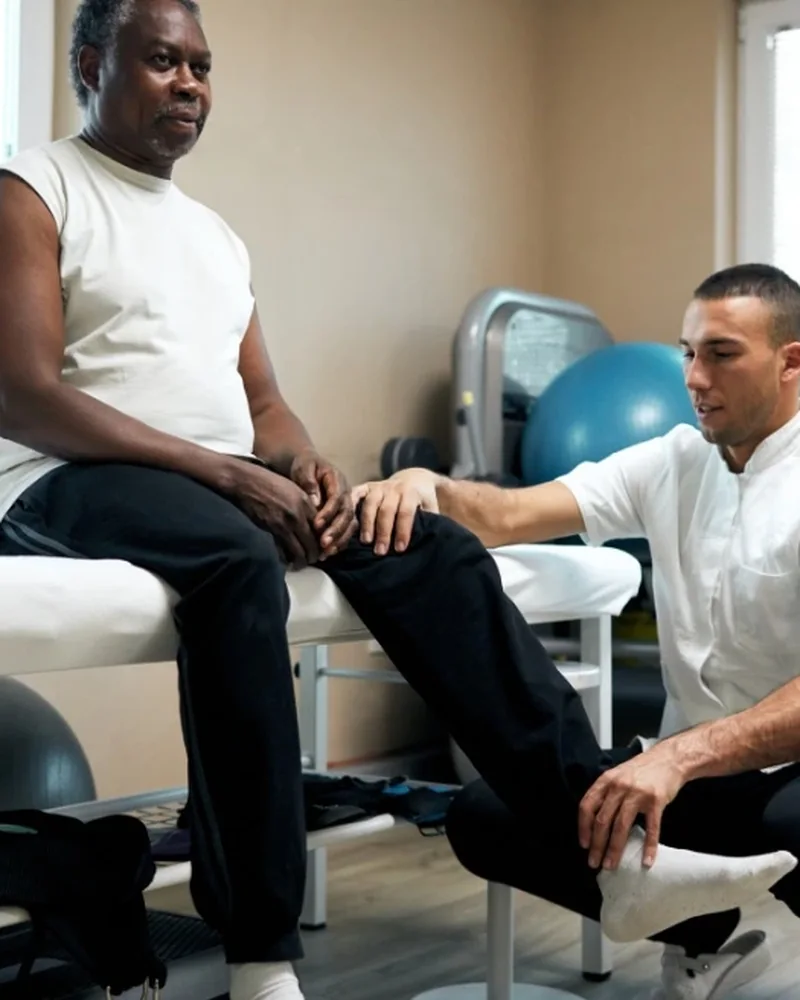
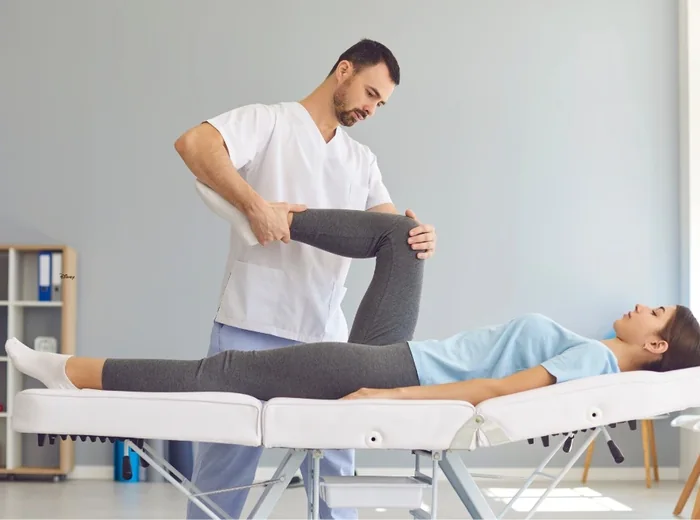
Whether you are preparing for a joint replacement, a spinal procedure, or a sports-related repair, the structure is the same and it follows four phases. Pain: calm the tissue and the nervous system down enough to move again, using hands-on treatment and gentle motion to manage swelling. Prime: restore the motion the joint lost, including work on scar tissue and the assistive device training that makes crutches or a walker safe rather than nerve-racking. Perform: load it progressively with targeted strength work and balance training until it holds under real demand, including the specific tasks your job or your sport requires. Prevent: keep the capacity you built so you are not back here in two years. Your Doctor of Physical Therapy is a board-certified orthopedic clinical specialist who treats you personally at every visit, so the plan is adjusted by the person who watched you move last week. They also coordinate with your surgeon's protocol rather than working around it. You do not need a referral to be seen: North Carolina has unrestricted direct access to physical therapy. Aureum Physio accepts most major insurance plans and verifies your coverage before treatment begins, so the cost is clear before you start.
If surgery is still ahead of you, the first visit measures where the joint is now: motion, strength, balance, and how you are compensating. Then you get to work. You also learn the movements you will need afterward, including how to protect healing tissue, before you are sore and medicated and trying to learn them cold.
Sessions run 40 minutes, one on one with your Doctor of Physical Therapy, with no handoff to an aide. Early on that time goes to pain and swelling management, gentle mobility to keep circulation and flexibility, safe use of crutches or a walker, and the everyday movements that get your independence back first.
Most patients come 2 to 3 times a week for 4 to 6 weeks, and many notice a change in the first week or two. As the tissue tolerates more, the work shifts to rebuilding strength and endurance and then to the specific demands of your job, your sport, or the hobby you have been missing.
I’m receiving PT following a total knee replacement on 5/12/26. This place is fantastic! Heather always works one on one with a variety of exercises.

Hips and knees are the joints replaced most often, and treating the pain early sometimes means the surgery is never needed.

Rotator cuff repair is a common reason patients come in here, both to prepare for it and to rebuild after it.

Your surgeon repaired the tissue. Board-certified orthopedic therapy is the discipline that rebuilds what surrounds it.