Rest is not a recovery plan. These are dedicated, hands-on sessions that clear the tissue your training and your rehab keep loading, so the next week is not a repeat of this one.

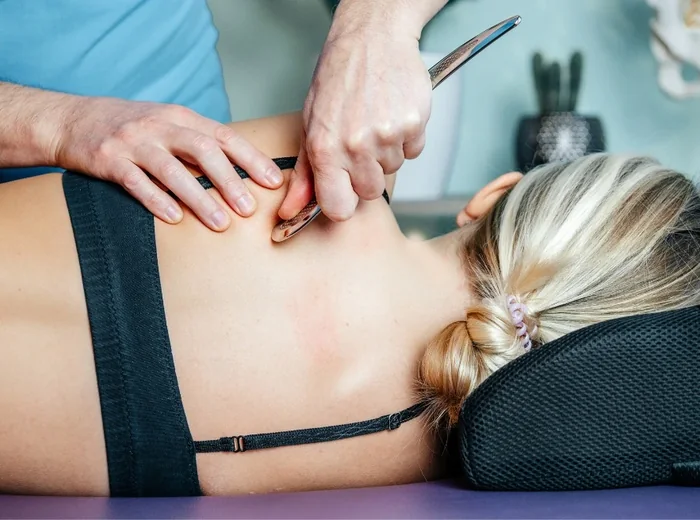
You know the pattern. The hard week goes fine, and then everything tightens up two days later. You foam roll for a few minutes, you stretch the part that hurts, you decide it will loosen up on its own, and by the time you train again it is still there, quietly limiting what you are willing to do. Recovery is not the same thing as rest. It is a set of skilled, hands-on techniques applied to the tissue that is actually restricted, and at Aureum Physio those techniques are soft tissue mobilization, instrument assisted soft tissue mobilization, and the Graston Technique. Soft tissue mobilization is hands-on work through muscle, fascia and connective tissue to release adhesions and give the area its glide back. IASTM uses shaped tools to work through scar tissue and fascial restriction with a precision that fingers cannot always reach, which is why it is often the choice after an injury or a surgery. The Graston Technique is the instrument-assisted version performed with stainless steel tools that both find the restriction and treat it, and it earns its place with stubborn sports injuries and post-surgical tissue.
What the work is for is straightforward: better circulation to the area so healing has what it needs, less soreness and less muscle tension, more joint mobility and flexibility, adhesions and scar tissue broken up before they change how you move, and fewer overuse injuries as a result. The nervous system benefits too, which is the part people underestimate until they have had a session and noticed how much of the tightness was guarding. Some of this work already happens inside a treatment plan when it is indicated. A dedicated recovery session is different only in that it is uninterrupted: the whole appointment goes to the tissue, rather than a few minutes of it before the exercise starts. Your Doctor of Physical Therapy performs it personally, which means the hands on you belong to a board-certified orthopedic clinical specialist who knows what your tissue felt like the last time.
Recovery sessions suit anyone whose tissue is the thing holding them up, whether that is soreness, scarring or restriction that will not answer to stretching. Three situations come up most often.
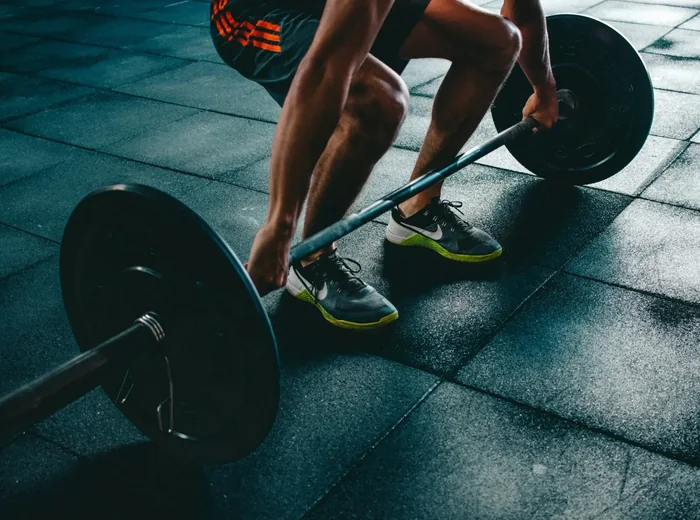
The mileage or the lifting is going well, but soreness and tension are deciding what you can do two days later, and the same spot is always the first to complain. Outcome: the tissue gets cleared on purpose instead of on hope, so the next session starts from a better place and overuse does not turn into an injury.
The plan is working, but the area stiffens up again before your next appointment and you spend the first part of each visit undoing it. Outcome: a dedicated session buys the tissue uninterrupted attention, so your treatment time goes to progressing the exercise rather than reclaiming lost mobility.
After a surgery or a significant injury, the area feels bound down and adhered, and everything around it has started compensating. Outcome: instrument assisted work addresses the restriction directly, so mobility comes back and the compensation pattern does not become permanent.
A recovery session runs 40 minutes, one on one with your Doctor of Physical Therapy, and the whole appointment goes to the tissue.
You describe what is sore, what you have been loading, and what you need your body to do this week. Then your physical therapist checks how the area moves and works through the tissue by hand to locate the restriction. What they find decides which technique gets used, which is why the plan changes from visit to visit.
Depending on what the tissue needs, the session uses soft tissue mobilization by hand, IASTM, or the Graston Technique with its stainless steel instruments. The pressure should read as firm and productive rather than painful, and your therapist checks in as they work so you stay in control of how deep it goes.
Newly freed tissue holds better if you move it, so the session ends with movement through the range you just gained, plus a short piece of home care to protect it. When recovery work supports an active plan of care, most people are in 2 to 3 times a week for 4 to 6 weeks, and many notice a difference in the first week or two.
These techniques are already folded into regular treatment visits whenever they are indicated, so booking a dedicated session is a choice about time, not access: it gives the tissue the full appointment instead of the ten minutes before your exercises. No physician referral is required either way, since North Carolina has unrestricted direct access to physical therapy, and Aureum Physio accepts most major insurance plans and verifies your coverage before treatment begins so you know your costs up front. Wear clothing that lets the area being treated be reached, and mention any recent surgery so the work stays inside your protocol.
I went to see Heather after my meniscus surgery and she had me up and moving after a week! I was playing tennis again after several weeks and she really helped my recovery along quickly.

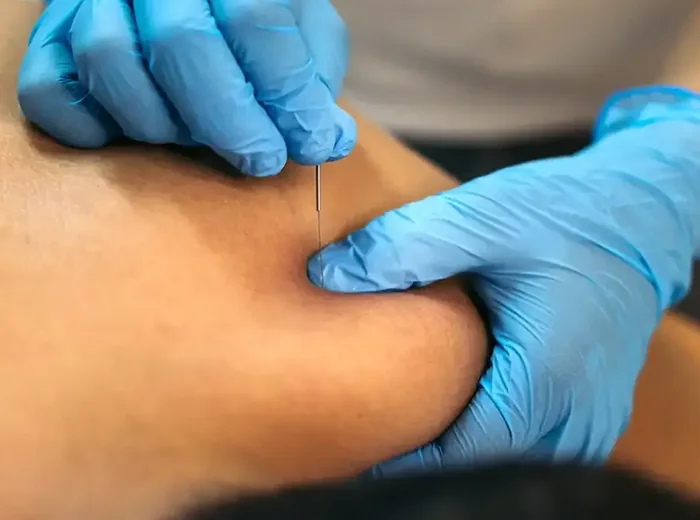
When the soreness traces to one stubborn trigger point, a needle reaches depth that work on the surface of the skin cannot.

The same hands-on skill applied inside a full plan of care, where the restriction is a joint rather than the soft tissue around it.

Recovery only matters if something is being loaded. This is the training that creates the demand these sessions help you absorb.