Bones, joints, muscles, ligaments. When one of them stops cooperating, every day gets negotiated around it. This is the branch of physical therapy built for exactly that, and it is the branch both of our physical therapists are board certified in.

Getting dressed takes a strategy now. You have a shoulder you no longer raise past a certain point, or a knee you brace for on the stairs, and you have quietly stopped doing a handful of things rather than find out how much they will hurt. Joint, muscle and bone pain does not usually stop you all at once. It just keeps narrowing what you are willing to try. Orthopedic therapy is the branch of physical therapy aimed squarely at those structures: the bones, joints, muscles and ligaments that let you move, and the injuries, surgeries and wear that interrupt them. The work is to settle the pain down, get the motion back, and rebuild the strength that was lost while you were guarding, so the limitation stops spreading into the rest of your life. That means hands-on treatment, targeted exercise and a clear explanation of what is actually happening in there, in a combination chosen for your case rather than a protocol handed to everyone with your diagnosis.
This is the area our physical therapists trained specifically for. Both hold OCS board certification as orthopedic clinical specialists, which is a credential earned in the diagnosis and treatment of exactly these problems. Dr. Heather Smith, PT, DPT, OCS, our founder, completed an APTA-credentialed orthopedic residency in Greenville, SC, and has practiced in Cary and the Research Triangle for 11 years. Dr. Shannon Chapman, PT, DPT, OCS, SCS, CSCS, is also a board-certified sports clinical specialist. Whoever you see, the therapist who evaluates your joint on day one is the one treating it on day twelve. That continuity matters more than it sounds. Orthopedic problems change week to week, and a therapist who felt your shoulder last Tuesday knows what changed in a way that no chart note conveys. Waiting rarely helps: pain and stiffness that go untreated tend to recruit the joints around them, and the longer a movement pattern is avoided, the more work it takes to get it back.

If the problem lives in a joint, a muscle, a tendon or a bone, it belongs here. Three situations account for most of the orthopedic caseload in Cary.
A joint replacement, a ligament repair or a fracture that has healed enough to start loading. The surgeon fixed the structure, and now the motion and strength have to be earned back in the right order. Outcome: you follow a progression that respects the repair and still gets you moving, instead of resting until the stiffness sets.
Arthritis, tendinitis or bursitis that flares, quiets, then flares again, usually in the same joint. You have been told to live with it. Outcome: the joint gets loaded in the range it tolerates and strengthened around the sore structure, so good weeks outnumber bad ones and you rely less on medication to get through them.
A sprain, a strain or an overuse injury that felt better, then came back the week you resumed normal life. Something underneath it was never addressed. Outcome: the actual failure point gets found and loaded properly, so the injury stops being a recurring appointment on your calendar.
Visits run 40 minutes, one on one with your Doctor of Physical Therapy, every time. Care follows four phases in order: Pain, Prime, Perform, Prevent.
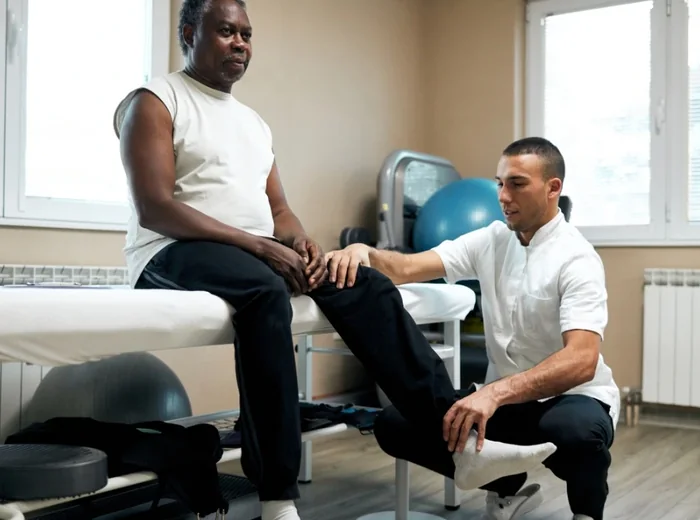
The first visit is spent on the actual mechanics: what hurts, what it hurts during, how far the joint moves, what is weak, and what the tissue does under load. You get a working explanation of the problem and a realistic timeline the same day, not a guess. Most people attend 2 to 3 times a week for 4 to 6 weeks.
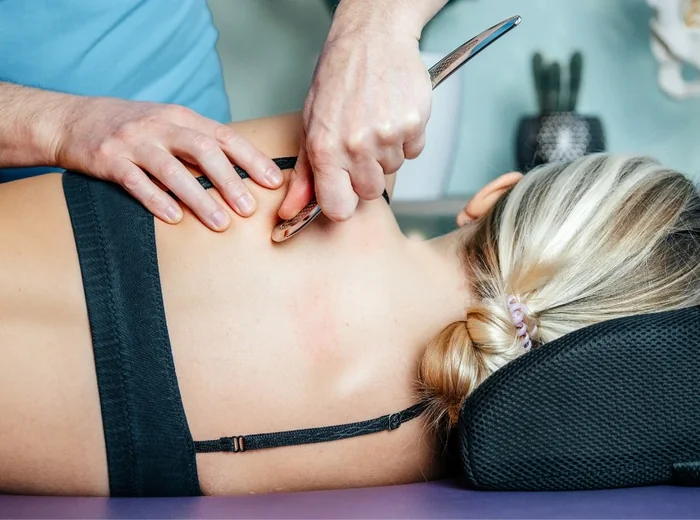
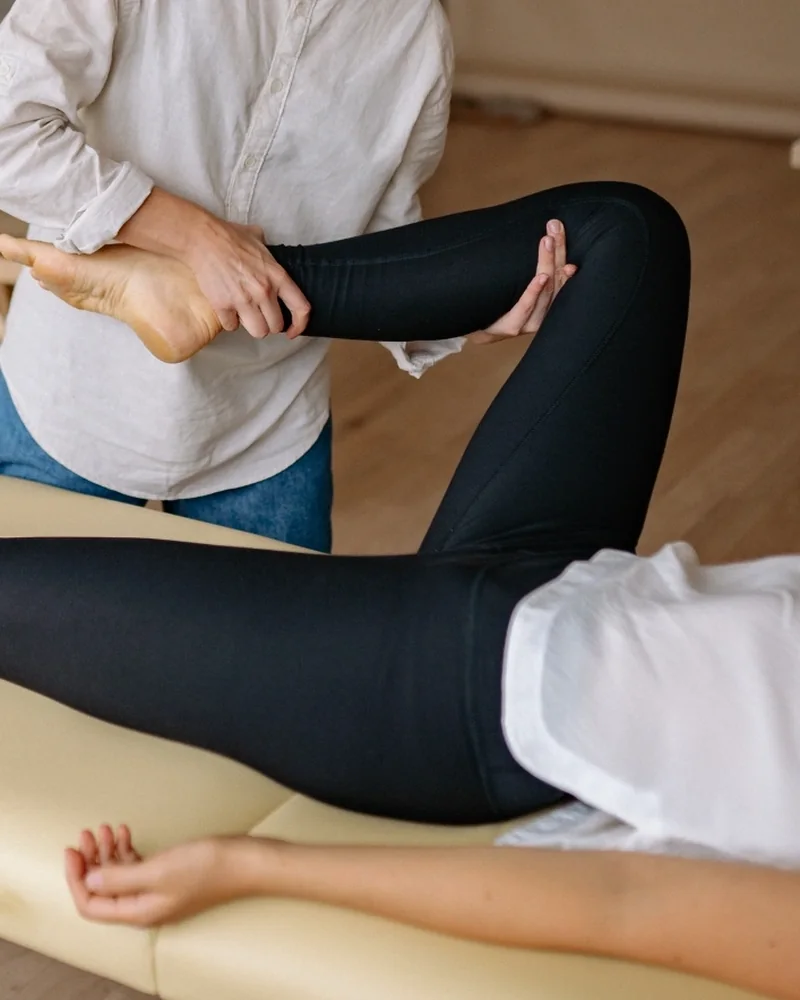
Early sessions calm the joint and restore motion. Joint mobilization and skilled soft tissue work open up range you cannot get on your own, and dry needling is available when a specific muscle will not let go. Then the exercise gets loaded, progressively, because motion you cannot control does not hold.
The last stretch is about the pattern that set the problem up: how you stand, lift, land and carry. You practise it under supervision, then take home a short program that protects the joint. Many people notice a change within the first week or two, and the final phase is about keeping what you built.
You do not need a physician referral. North Carolina has unrestricted direct access to physical therapy, so you can be evaluated and treated here directly, and Aureum Physio accepts most major insurance plans and verifies your coverage before treatment begins so you know your costs up front. Wear clothes you can move in, and if you have had surgery, bring whatever post-operative instructions your surgeon gave you so the plan is built to match the repair rather than around it.
Excellent. Heather worked with me both before and after my rotator cuff surgery. She’s always friendly, professional and tuned-in.

Orthopedic therapy is one lane inside physical therapy. Start on the main page if you are not yet sure what is driving your pain.

The hands-on half of orthopedic care, explained in detail: the joint mobilization and soft tissue work that make the exercise possible.

Joint replacements, ligament repairs and fracture recovery run on their own timeline. That timeline is laid out here.