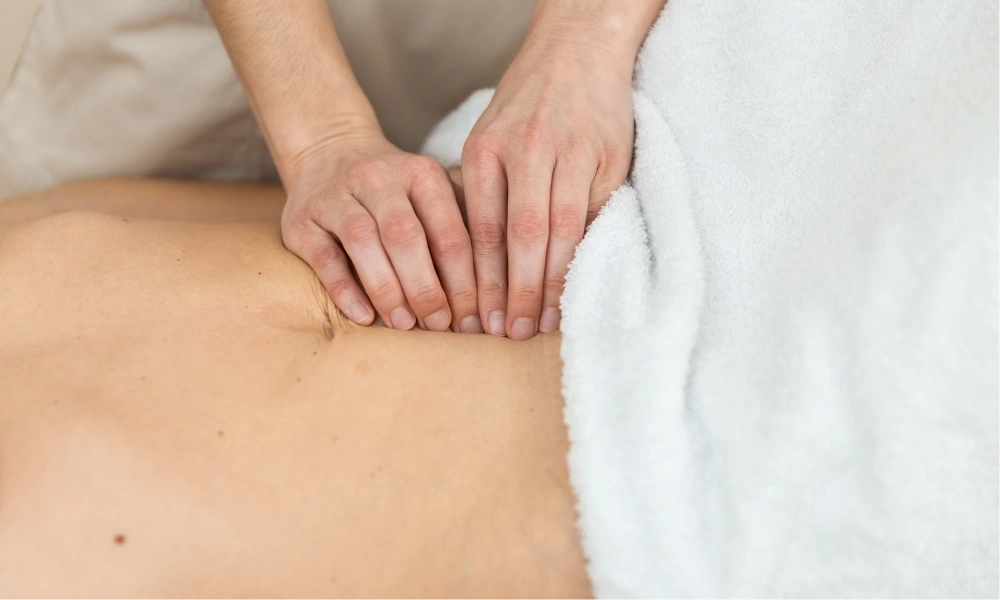
Diastasis recti abdominis (DRA) is a condition where the two halves of the rectus abdominis - the “six-pack” muscles - separate along the connective tissue called the linea alba. This separation often occurs during pregnancy as the abdominal wall stretches to accommodate a growing baby, but it can also develop in men, athletes, and individuals experiencing large fluctuations in abdominal pressure.
While diastasis recti is commonly discussed in postpartum recovery, many people don’t realize that physical therapy plays a key role in restoring core strength and function.
What Happens With Diastasis Recti?
The abdominal muscles are essential for more than appearance. They support posture, stabilize the spine and pelvis, and help control pressure within the abdomen during everyday activities like lifting, coughing, and movement.
When the connective tissue between the rectus muscles stretches and widens, the muscles lose some of their ability to work together effectively. This can lead to:
- Visible abdominal bulging
- Reduced core strength
- Difficulty stabilizing the trunk
- Potential limitations with physical activity
Some individuals may also notice changes in posture or feel less control through their midsection.
Why Physical Therapy Is Often the First Line of Treatment
In many cases, diastasis recti improves naturally in the months after pregnancy. However, if the separation persists, conservative treatment with physical therapy is typically recommended.
Physical therapy is considered the primary non-surgical approach that can help reduce the separation between the abdominal muscles while improving overall core function. Therapy aims to restore how the abdominal muscles work together to support the body.
How Physical Therapy Helps Diastasis Recti
1. Restoring Deep Core Strength
A key goal of rehabilitation is strengthening the deep abdominal muscles - particularly the transversus abdominis, which acts like a natural corset around the torso. These muscles help stabilize the trunk and support the connective tissue between the rectus muscles.
2. Improving Muscle Coordination
The abdominal wall is made up of several muscles that must work together to stabilize the body. Physical therapy helps retrain these muscles so they coordinate properly during movements like:
- Lifting
- Exercise
- Getting out of bed
- Carrying children
Improving coordination helps reduce excessive strain on the linea alba.
3. Teaching Safe Movement Strategies
Many everyday movements increase abdominal pressure. Certain exercises - like sit-ups, crunches, or heavy lifting - may worsen abdominal bulging if performed incorrectly.
A physical therapist can guide patients on:
- Proper breathing and core engagement
- Safe ways to lift and move
- Exercises that avoid excessive strain on the abdominal wall
These strategies protect the healing connective tissue.
4. Progressive Strengthening for Long-Term Recovery
Therapy programs often include progressive strengthening that may involve:
- Targeted core exercises
- Functional movement training
- Postural correction
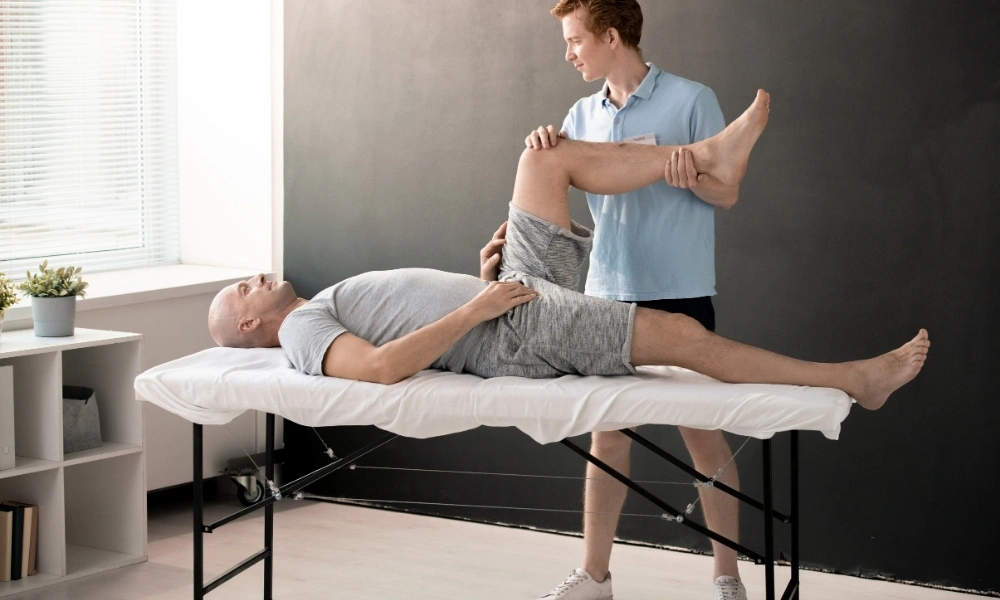
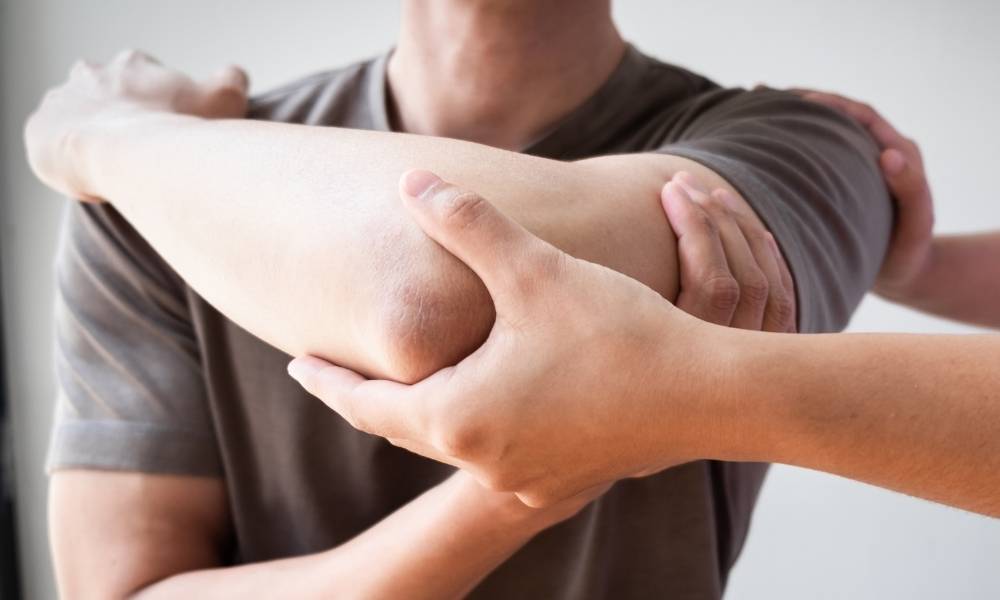
- Manual therapy or soft tissue techniques
- External support methods such as taping or bracing in some cases
Over time, these strategies help restore strength and control throughout the entire core system.
The Bottom Line
Diastasis recti is a common condition - especially during and after pregnancy - but it doesn’t mean you have to live with a weak or unstable core.
Physical therapy focuses on restoring the strength, coordination, and stability of the abdominal wall, helping individuals return to exercise, daily activities, and athletic performance with greater confidence.
With the right rehabilitation program, many people can improve core function and reduce the visible separation of the abdominal muscles without surgery.
Need help restoring your core after pregnancy or abdominal separation?
Book an appointment here for a personalized evaluation at Aureum Physio to identify the right strategy to rebuild strength safely and effectively.