

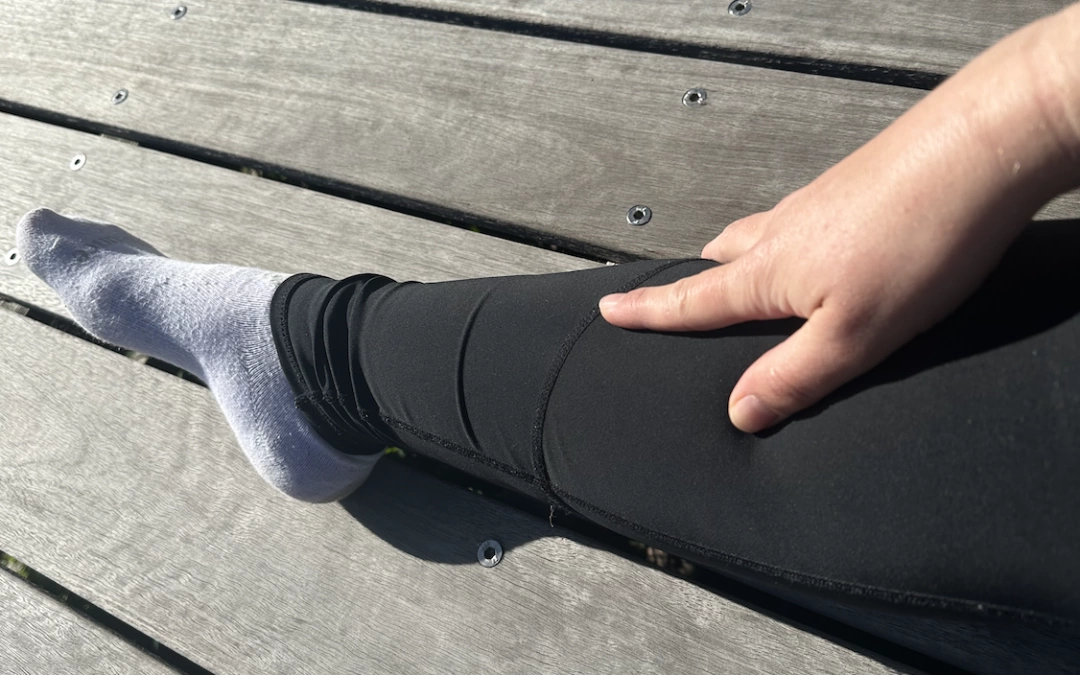
Medial tibial stress syndrome (MTSS)—commonly known as shin splints—is one of the most frequent and frustrating overuse injuries affecting runners. It presents as pain along the posteromedial border of the tibia (shin bone), typically triggered by activity like running and presenting and tenderness to palpation, while excluding more serious conditions such as stress fracture or vascular causes.
MTSS is very common and highly prevalent in running populations:
- It accounts for up to 35% of exercise-induced leg pain cases.
- Approximately 10.7% of male and 16.8% of female recreational runners experience MTSS.
These numbers highlight how widespread the condition is—particularly among active adults and endurance athletes.
The Real Impact on Runners
- Training Disruption and Long Recovery
MTSS can interrupt physical activity for months, with recovery timelines ranging from 4 to 18 months in some cases.
For athletes, this often means:
- Lost training cycles
- Reduced performance
- Delayed return to competition
- High Risk of Recurrence
A history of MTSS dramatically increases the likelihood of future injury. Individuals who previously experienced MTSS have a significantly greater recurrence risk compared with those without prior symptoms.
This makes prevention and proper rehabilitation essential—not just symptom relief. For recreational runners, this impact is often underestimated.
Why MTSS Develops
Research suggests MTSS is linked to modifiable biomechanical and muscular factors. These risk factors may reduce the lower leg’s ability to absorb ground-reaction forces, increasing stress along the tibia and contributing to pain. The most common risk factors include:
- Excessive foot pronation
- Reduced lower-leg muscle size or endurance
- Strength imbalances in ankle and foot musculature
- Increased tibial loading during running
Key Takeaway for Runners and Athletes
MTSS is not simply a minor ache—it is a common, recurrent, and potentially long-lasting running injury with meaningful consequences for training and quality of life.
Understanding what shin splints are, as well as its prevalence and impact reinforces the importance of:
- Early recognition
- Addressing biomechanical risk factors
- Evidence-based rehabilitation
These strategies are essential to help runners stay active, recover fully, and prevent recurrence.