For a lot of people, the Thanksgiving morning turkey trot is the one race of the year. It's a family tradition, a charity event, a way to earn the pie. Thousands of people who don't run regularly lace up and head to the start line.
That enthusiasm is great. It's also one of the more reliable sources of holiday injuries, and the pattern is predictable. Understanding it makes it much easier to enjoy the morning and still walk comfortably on Friday.
The Core Problem: Big Effort, Little Preparation
Most injuries on race day come from a mismatch between what the body has prepared for and what it's asked to do. A turkey trot is often a 5K, which sounds modest. But for someone who hasn't run in months, 3.1 miles at race effort is a significant load.
Running is a high-impact activity. Each stride sends several times your body weight through the legs, and a 5K involves thousands of strides. Muscles, tendons, and bones adapt to that load gradually. They are not built to take it all at once after a long break.
Race day also changes how people run:
People run faster than they train. The crowd, the start line, and the competitive atmosphere push people to run harder than usual, and many people start too fast.
People run in the wrong kind of shoes. The pair at the back of the closet, an old pair with worn-out cushioning, or something that looked fine in the store but has never been run in.
People run cold. Early morning, chilly weather, and a rushed warm-up mean tissues start work before they're ready, which is especially relevant in late November.
The Injuries That Show Up
Shin pain and shin splints. A sudden increase in running, especially on hard pavement, is the classic setup. It's also one of the most common complaints from occasional runners.
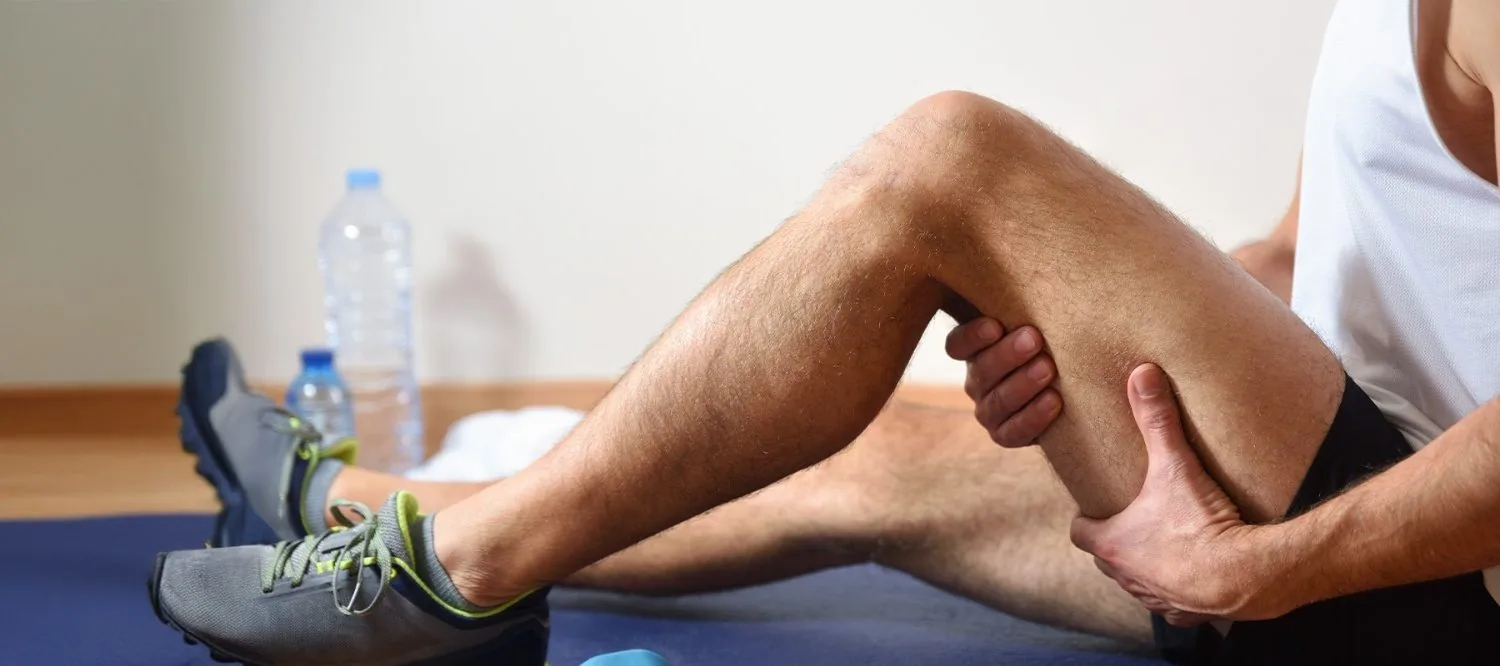
Calf and Achilles strain. Pushing hard from a cold start without preparation stresses the calf and the Achilles tendon. Tendons in particular don't tolerate sudden loads well, especially in people who've been inactive.
Knee pain. Pain around the kneecap or on the outer knee often appears when someone runs more than their body is used to, particularly on downhill sections.
Foot and heel pain. Plantar heel pain can flare after a high-impact day, especially if the shoes are unsupportive or worn out.
Hamstring and hip flexor strains. Running faster than usual, particularly when starting hard or sprinting at the finish, can strain muscles that haven't been warmed up.
Who Is Most at Risk
Anyone can get hurt, but the risk is highest for:
- People who haven't run consistently in the months before the race
- Runners coming back from an injury who feel "ready" but haven't rebuilt capacity
- People with a history of Achilles, shin, knee, or foot problems
- People who decide to run on short notice, with no preparation at all
Smart Ways to Approach Race Day
If you're running, the single most useful decision is to match your effort to your actual preparation, not to the atmosphere.
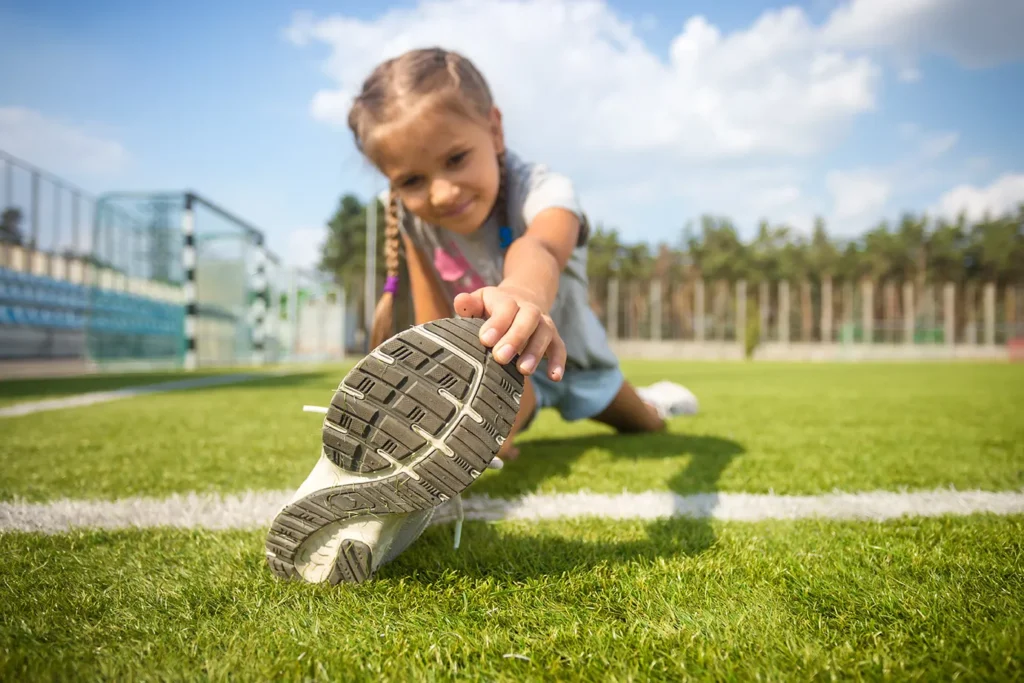
Start slower than feels necessary. The first mile of any race feels easy, and that's exactly when people overextend. Walking some of it is completely fine, and plenty of people do. Wear shoes that fit and that you've actually worn, rather than something brand new or ancient. Warm up before the start, because standing in the cold waiting for the gun does the opposite.
And pay attention to your body afterward. Soreness the next day is normal for an occasional runner. Sharp pain, pain that gets worse as you move, pain that changes how you walk, or pain that lingers for more than several days isn't.
After the Race: Don't Ignore What Shows Up
Many injuries from a turkey trot don't announce themselves on the course. They show up a day or two later, when the adrenaline has worn off and the tissue has had time to react. A shin that aches on Friday, a heel that is painful on the first step Saturday morning, a knee that doesn't feel right on the stairs.
This is where people lose weeks. They assume it will pass, keep walking and running on it, and a minor irritation turns into something that takes much longer to resolve. Early assessment, when a problem is just starting, is almost always quicker and simpler than waiting it out.
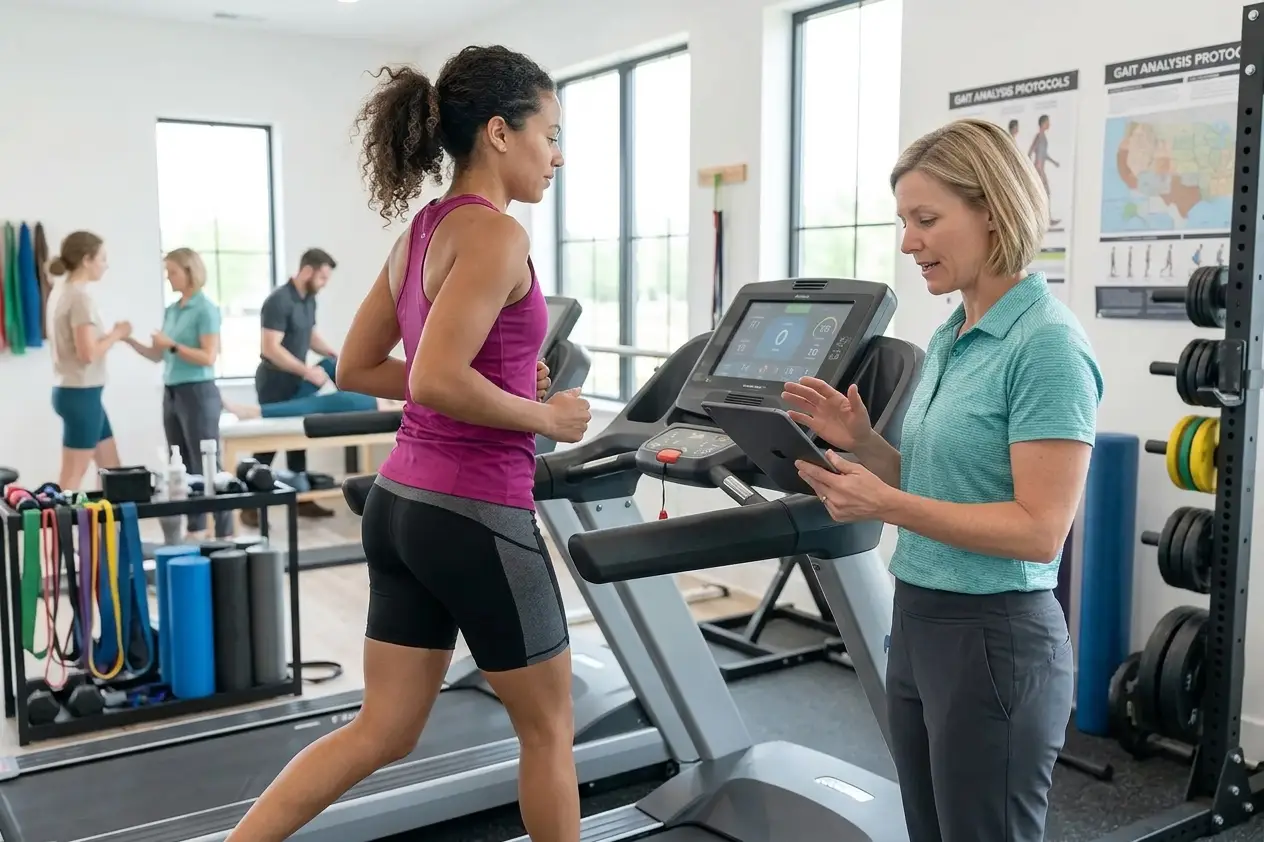
At Aureum Physio, we see a small wave of patients after Thanksgiving with injuries that started at a turkey trot. For most of them, getting seen early means a fast return to normal activity. If you're planning to run regularly in the new year, it's also a good chance to find out what your body needs to do it comfortably.
Running a turkey trot? Have fun, start easy, and if something feels off afterward, come in early. A small problem caught now is far easier to fix than a big one in January.