If you're the one cooking Thanksgiving dinner, you already know the feeling around 4pm: your feet ache, your lower back is complaining, and your knees want nothing more than to sit down. It's easy to laugh it off as part of the holiday.
But a full day in the kitchen is a real physical demand, and it's one that most people haven't prepared for. Understanding why it hurts makes it easier to protect yourself, and to know when the soreness is more than just a long day.
Why Standing All Day Is Harder Than It Sounds
Standing doesn't look like exercise, but it is a sustained physical task. Several things combine to make a long cooking day tough on the body.
Static standing is fatiguing. Holding yourself upright for hours requires constant, low-level muscle activity in the calves, hips, and trunk. Unlike walking, which alternates muscle effort and rest with every step, standing in one spot loads the same tissues continuously. They fatigue, and when they do, the joints and passive structures start taking more of the load.
Hard floors and flat shoes add up. Kitchens usually have hard, unforgiving floors, and many people cook in socks, slippers, or worn-out shoes with no support. For anyone prone to heel pain, arch pain, or foot fatigue, a day on a hard surface can bring symptoms right back.
The kitchen is a repetitive-posture environment. Leaning over a counter that's too low, reaching into the back of a hot oven, bending into a refrigerator, stirring, chopping, and lifting heavy pots all involve bending forward at the spine and hips for long stretches. That loads the low back repeatedly in a flexed position.
The lifting is awkward. A full turkey, a heavy roasting pan, a stockpot of boiling liquid: these are unwieldy, hot, and often lifted from awkward positions, like low in an oven or from a high shelf. Add fatigue, and your usual lifting mechanics tend to break down.
What Tends to Hurt
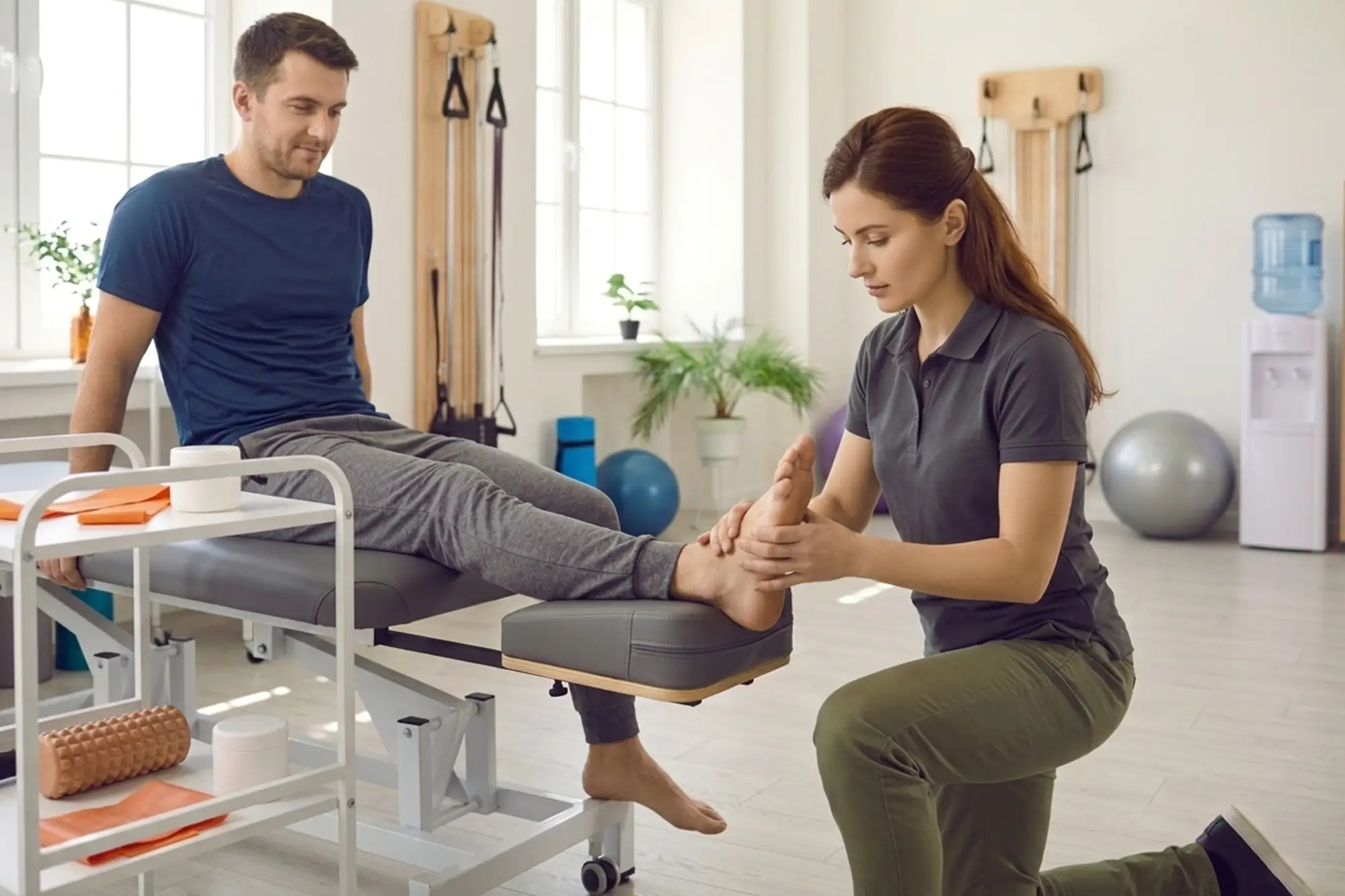
Feet and heels. Prolonged standing on hard floors is a classic aggravator of plantar heel pain and general foot fatigue. If you've dealt with plantar fasciitis in the past, a long day in the kitchen is a reliable way to wake it back up.
Low back. Hours of leaning over counters combined with lifting heavy pots and pans is a straightforward recipe for low back soreness, and sometimes a flare of an existing back problem.
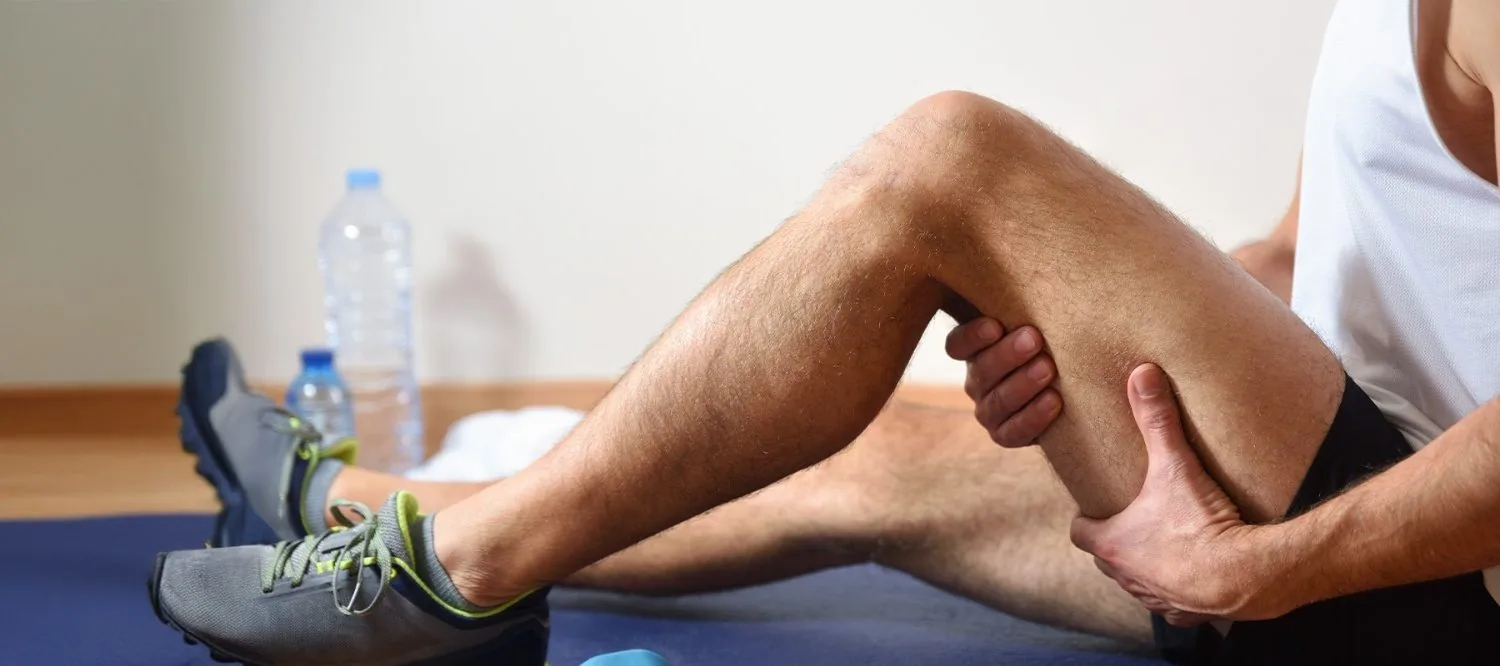
Knees and hips. Standing in one position, often with weight shifted onto one leg, can leave the knees and hips stiff and achy, especially in people with arthritis or a history of joint pain.
Neck and shoulders. Hours of chopping, stirring, and reaching, often with the head bent down toward the work, load the upper back and neck more than people realize.
Why It Hurts More Than a Normal Day
Most people stand and move around all day without this kind of discomfort. The difference on Thanksgiving is the combination:
- It's longer than a normal standing day
- It's mostly in one place, without the natural movement of an ordinary day
- It involves repetitive forward bending and some heavy lifting
- It's often done in unsupportive footwear on a hard surface
- It follows days of unusual prep and grocery hauling
The body is quite good at handling whatever it's regularly exposed to. Thanksgiving is the opposite of that: a one-day spike in demand that doesn't match what tissues are conditioned for.
How to Take Some Load Off
You don't need to cook less to feel better. The idea is simply to reduce the unbroken load on any one part of the body.
Wear supportive shoes rather than going barefoot or in slippers. Shift your weight and change your stance periodically instead of locking into one position. Give yourself brief sit-down breaks as the day goes on, and be mindful about how you lift heavy pans, getting close to the load and keeping the effort at a comfortable height where you can. If other people are around, delegate the heaviest lifting.
When It's More Than a Long Day
Soreness that fades within a day or two is normal. It's worth paying attention if:
- Pain is sharp or severe rather than a general ache
- Back pain travels down the leg, or comes with numbness or tingling
- Foot or heel pain is not settling after a few days
- You notice the same aches every time you do a long day on your feet
If the kitchen reliably flares a certain area, it's telling you something about that area. Persistent foot, back, or knee pain with prolonged standing usually has a cause that can be identified and treated: how the foot loads, how the hips and trunk are supporting you, or how a previous injury healed.
At Aureum Physio, we help patients figure out why their bodies protest in situations like this and build the strength and capacity to handle it. Many people find that the "just part of the holidays" ache is something they don't actually have to live with.
<i>If a long day on your feet leaves you hurting more than it should, come in and let us find out why. Next Thanksgiving doesn't have to end with a heating pad.</i>