If you run, lift weights, or play sports, ankle dorsiflexion is one of the most important - and most overlooked - movements in your body. Limited ankle mobility can quietly affect running mechanics, squat depth, jumping ability, and injury risk. Yet many athletes never realize it’s an issue until pain develops. Understanding ankle dorsiflexion - and how to improve it - can help you run more efficiently, m
ove better, and stay injury-free.
What Is Ankle Dorsiflexion?
Ankle dorsiflexion is the motion that occurs when your shin moves forward over your foot. Examples include:
- Your knee moving forward during a squat or sitting down
- Your knee moving forward when going downstairs
- The forward motion of your tibia when landing from a jump
- The loading phase of running stride
In running specifically, dorsiflexion allows the ankle to absorb impact forces and store elastic energy before pushing off into the next stride. Without adequate dorsiflexion, the body must compensate somewhere else.
Why Dorsiflexion Is So Important for Runners
During running, your ankle must move through a controlled amount of dorsiflexion during the mid-stance phase of the gait cycle. This motion helps:
- Absorb ground reaction forces
- Maintain efficient stride mechanics
- Allow the calf muscles and Achilles tendon to store elastic energy
- Prepare the foot for an effective push-off
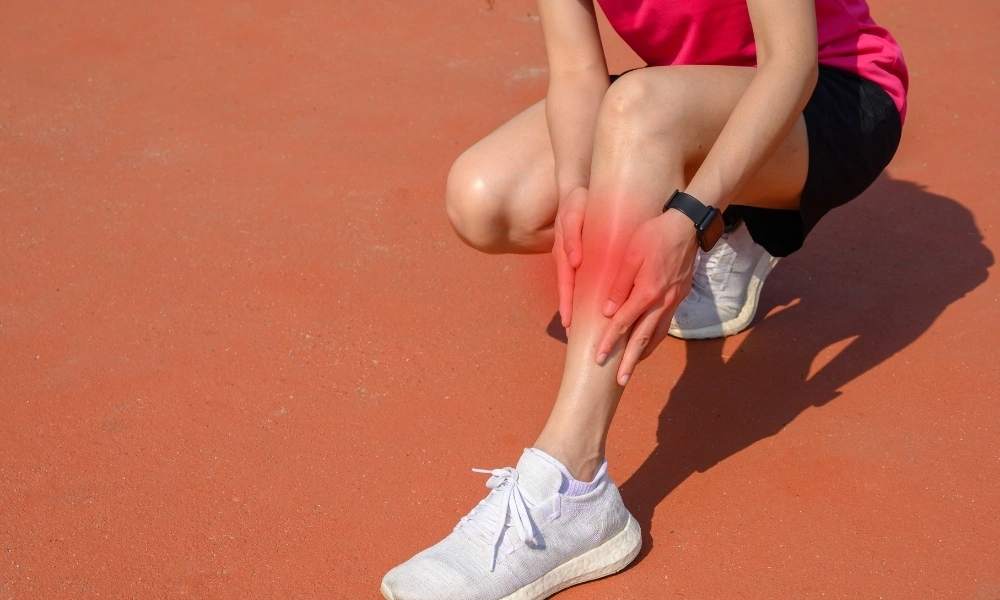
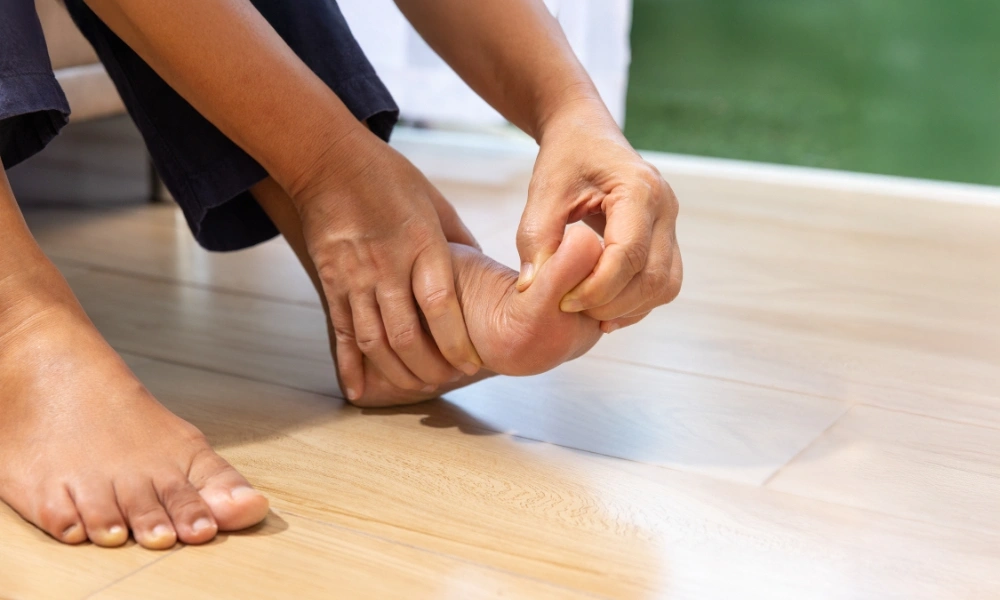
When dorsiflexion is limited, runners often develop compensations that increase stress on other structures. Over time, these changes can increase the risk of injuries such as:
- Achilles tendinopathy
- Plantar fasciitis
- Shin splints (MTSS)
- Patellofemoral pain
- Calf strains
Why All Athletes Need Good Ankle Mobility
Athletes rely on ankle mobility for nearly every lower-body strengthening movement, including:
- Squatting
- Lunging
- Jumping
- Step-downs
Improving ankle mobility can immediately improve mechanics and force production.
Common Causes of Limited Dorsiflexion
Several factors can reduce ankle mobility including:
- Calf Muscle Tightness
- Ankle Joint Stiffness
- Scar Tissue
- Soft Tissue Restrictions
- Poor Movement Patterns
How Physical Therapy Helps Improve Dorsiflexion
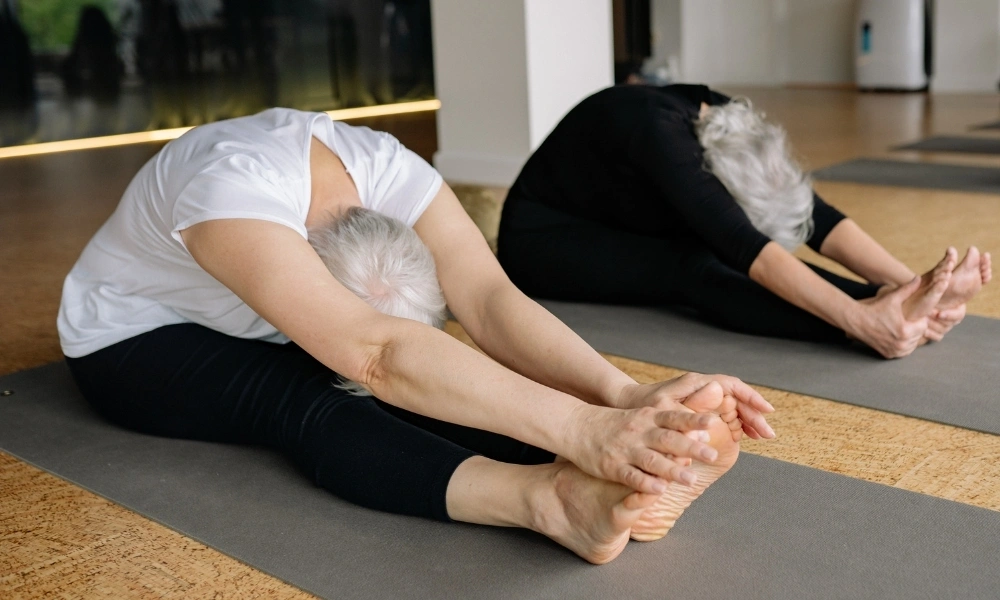
A comprehensive approach to improving ankle mobility includes more than just stretching. At Aureum Physio, treatment typically includes mobility restoration and targeted techniques to improve flexibility. Manual therapy and guided mobility drills often produce immediate improvements. Improving dorsiflexion also requires strengthening muscles that control the movement. Strengthening programs include loading the calf complex with eccentric and concentric strengthening, foot intrinsic strengthening, and may include tibialis anterior strengthening.
Once mobility and strength improves, athletes must learn to integrate the motion into functional activities such as:
- Running mechanics
- Squatting patterns
- Landing strategies
Movement retraining is essential to ensure mobility improvements translate to better performance and reduced injury risk.
The Bottom Line
Ankle dorsiflexion plays a major role in running efficiency, strength training mechanics, and athletic performance.
When mobility is limited, the body often compensates in ways that increase injury risk.
Work With Aureum Physio
At Aureum Physio, we specialize in one-on-one orthopedic and sports physical therapy for runners and active individuals.
If ankle mobility is limiting your training or contributing to injury, a movement assessment can identify the root cause and create a plan to restore optimal mechanics.
Learn more or schedule an appointment, book your appointment here.