Cervical radiculopathy is a common condition that occurs when a nerve in the neck becomes irritated or compressed, leading to pain, numbness, or weakness that radiates from the neck into the shoulder, arm, or hand.
Often referred to as a “pinched nerve in the neck,” cervical radiculopathy can significantly affect daily activities, work, and exercise. The good news is that most people improve with conservative treatment - especially physical therapy. For many patients, targeted physical therapy provides one of the most effective and safest ways to reduce symptoms and restore normal function.
What Is Cervical Radiculopathy?
Cervical radiculopathy occurs when a nerve root exiting the cervical spine becomes compressed or irritated. This compression can result from:
- Degenerative changes in the spine (arthritis or spondylosis)
- Disc herniation
- Narrowing of the nerve openings (foraminal stenosis)
- Less commonly, trauma or other spinal conditions
When a nerve root is affected, symptoms may travel along the nerve pathway into the arm.
Common Symptoms of Cervical Radiculopathy
Symptoms vary depending on which nerve root is involved, but commonly include:
- Neck pain
- Radiating arm pain
- Numbness or tingling in the arm or hand
- Weakness in the shoulder, arm, or hand
- Pain that worsens with certain neck movements
Pain traveling down the arm - known as radicular pain - is the most common symptom.
Why Physical Therapy Is One of the Best Treatments
Research consistently shows that most patients with cervical radiculopathy improve without surgery, especially when conservative treatments like physical therapy are used early. Physical therapy focuses on addressing the underlying mechanical causes of nerve irritation, rather than simply masking symptoms.
Key Benefits of Physical Therapy
1. Reduces Pressure on the Irritated Nerve
Specific exercises and positioning strategies help reduce stress on the cervical nerve root, allowing inflammation to calm down and symptoms to improve.
2. Restores Neck Mobility
Pain and muscle spasm often limit normal neck movement. Physical therapy techniques help restore mobility and reduce stiffness.
3. Strengthens Supporting Muscles
Strengthening the muscles of the neck, shoulders, and upper back improves spinal stability and decreases strain on irritated nerves. Clinical studies have shown that programs including strengthening and stretching exercises for the cervical spine, shoulder, and scapular muscles can significantly improve symptoms.
4. Improves Posture and Movement Mechanics
Many patients develop cervical radiculopathy from years of repetitive stress, poor posture, or prolonged desk work. Physical therapy helps retrain movement patterns to reduce nerve irritation.
5. Provides Long-Term Relief
Rather than providing temporary symptom relief, physical therapy addresses the root mechanical issues contributing to nerve compression.
Additional Physical Therapy Techniques That May Help
A comprehensive treatment plan may include:
- Targeted strengthening and mobility exercises
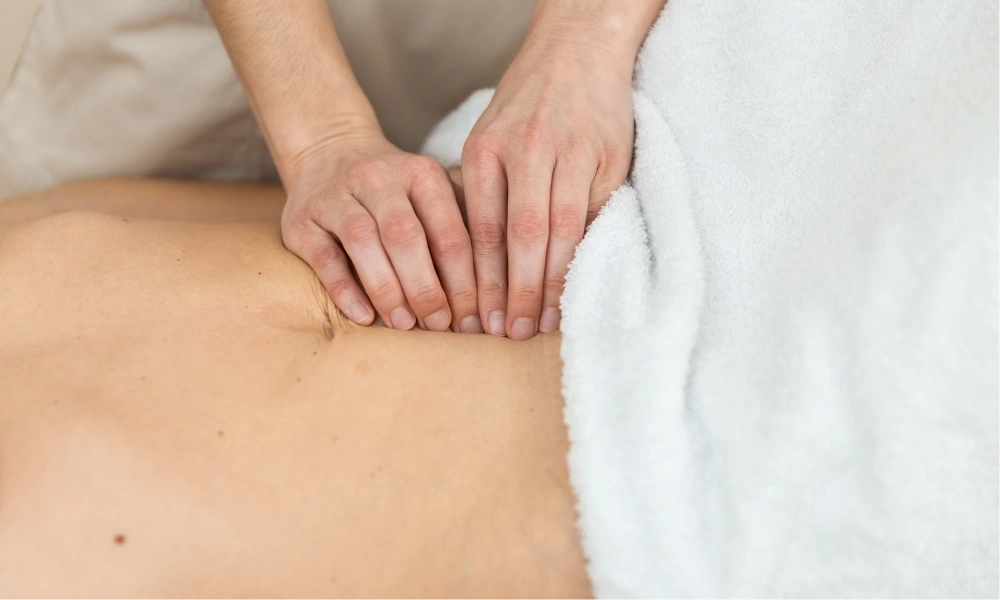
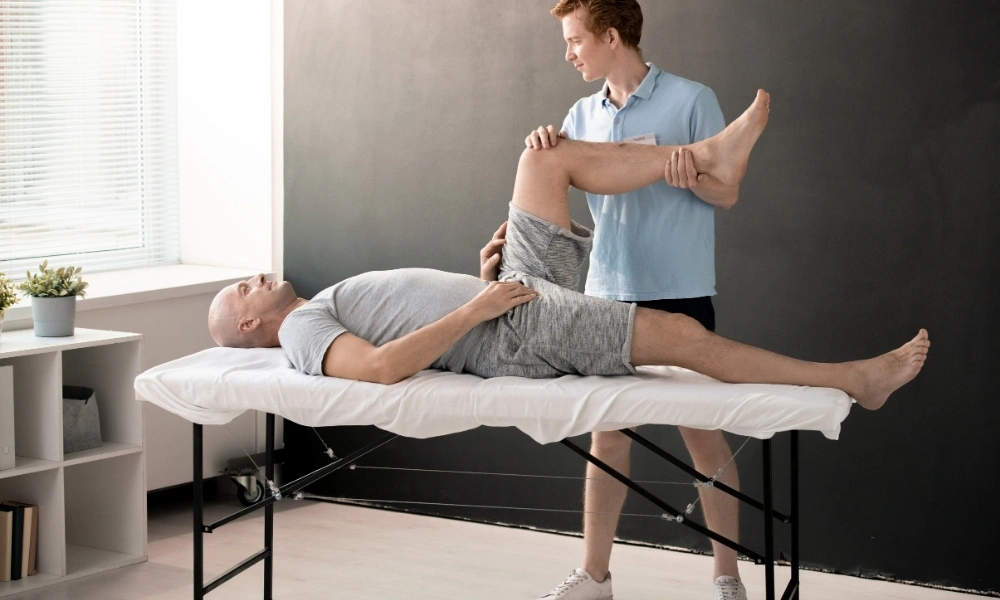
- Manual therapy to improve joint and soft tissue mobility
- Postural retraining
- Nerve mobility exercises
- Cervical traction in select cases
What Is the Prognosis?
The outlook for cervical radiculopathy is generally excellent. About 88% of patients improve within four weeks of conservative treatment. Because of this strong recovery rate, non-surgical treatments like physical therapy are typically the first line of care.
When to Seek Treatment
You should consider evaluation by a healthcare professional if you experience:
- Neck pain with arm numbness or tingling
- Weakness in the arm or hand
- Pain that radiates from the neck into the shoulder or arm
- Symptoms that persist more than a few weeks
Early treatment can help prevent symptoms from worsening and may speed recovery.
How Physical Therapy Helps You Return to Normal Activity
The goal of physical therapy is not just to reduce pain - it’s to help you:
- Move comfortably again
- Restore strength and mobility
- Prevent recurrence of nerve irritation
- Return to work, exercise, and daily activities
With the right treatment approach, most patients can recover fully without invasive interventions.