Anterior cruciate ligament (ACL) injuries remain one of the most significant challenges in sports medicine - not only because of the initial injury, but also due to the elevated risk of re-injury and early knee osteoarthritis following reconstruction. Research published in the International Journal of Sports Physical Therapy explored an important question:
What truly influences shock absorption during landing after ACL reconstruction and why does shock absorption matter after ACL surgery?
After ACL reconstruction, athletes often experience higher impact forces during landing, which can increase joint stress and contribute to long-term cartilage degeneration and osteoarthritis risk. Effective rehabilitation must therefore go beyond strength alone - focusing on movement quality, neuromuscular control, and joint awareness to protect the knee during dynamic sport activities.
Key Findings from the Study
Researchers evaluated individuals cleared to return to sport after ACL reconstruction using:
- Single-leg landing mechanics
- Quadriceps–hamstring co-contraction
- Knee joint proprioception
- Psychological readiness to return to sport
- Excessive Muscle Co-Contraction Reduces Shock Absorption
Higher simultaneous activation of the quadriceps and hamstrings was strongly linked to increased loading rates during landing, indicating poorer shock absorption. Greater co-contraction may increase knee stiffness (landing hard on a bent knee), limiting the body’s ability to eccentrically absorb impact forces - potentially raising the risk of re-injury and osteoarthritis progression.
- Impaired Proprioception Also Worsens Landing Mechanics
Reduced joint-position sense was another significant contributor to harder landings and decreased shock absorption capacity. When proprioception is impaired, the body struggles to precisely control knee motion during high-demand tasks - again increasing biomechanical stress on the joint.
- Psychological Readiness Did NotPredict Shock Absorption
Interestingly, scores measuring fear or confidence in returning to sport were not associated with landing shock absorption in this cohort. This may be because participants were already far into recovery (~36 months post-op), making the landing task relatively easy and masking psychological effects.
Clinical Meaning: What This Changes in ACL Rehabilitation
This research reinforces a critical shift in modern sports rehabilitation:
Strength alone is not enough.
To truly protect the reconstructed ACL, rehabilitation should also target:
- Optimizing neuromuscular activation patterns
- Reducing excessive quadriceps–hamstring co-contraction
- Restoring high-level proprioceptive control
- Training efficient landing mechanics
Evidence-based strategies may include:
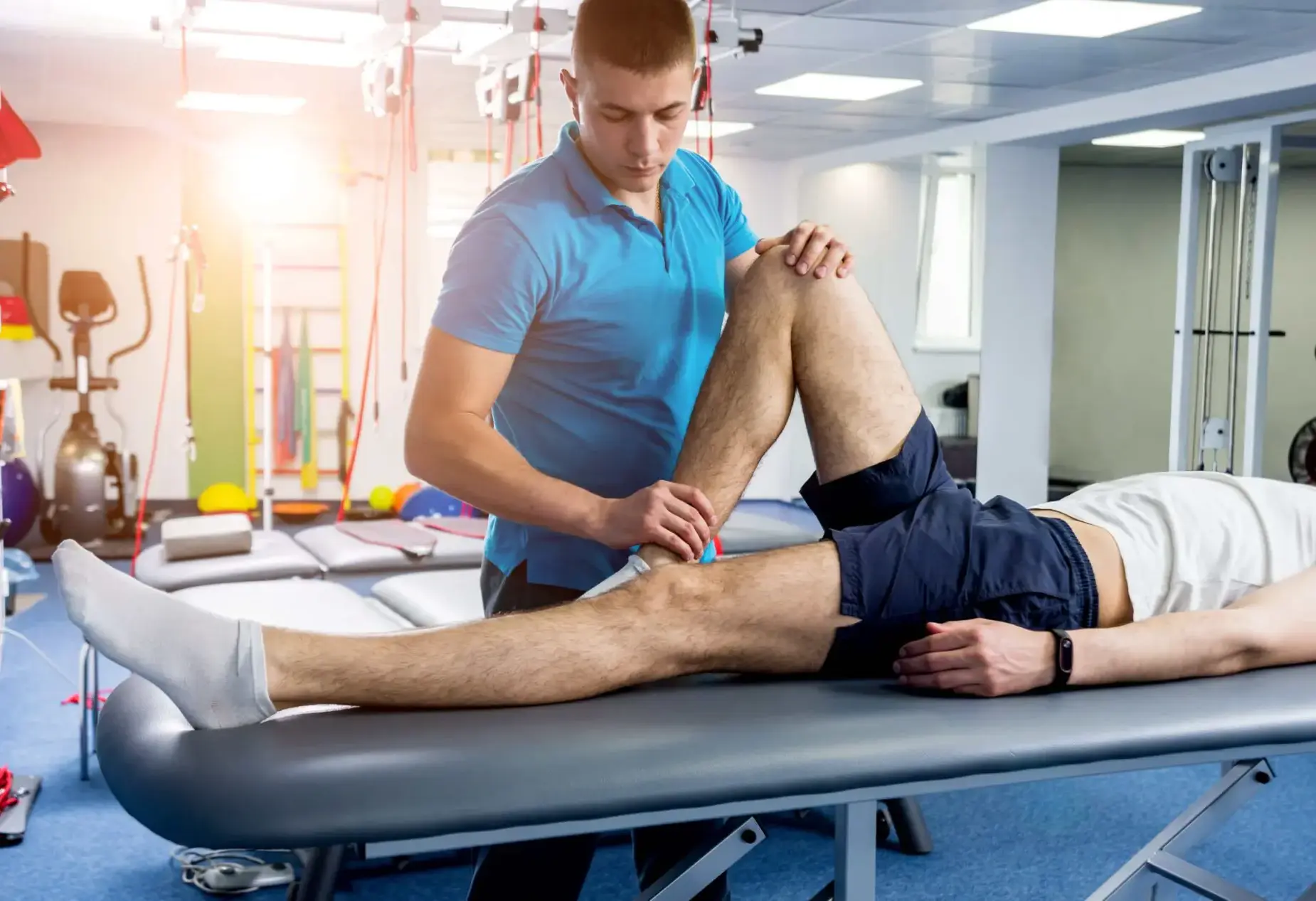
- Balance and neuromuscular training to improve joint awareness
- Progressive landing and deceleration retraining
- Sport-specific movement re-education
The Aureum Physio Perspective
At Aureum Physio, ACL rehabilitation is never just about returning to play - it’s about returning stronger, safer, and more resilient than before.
Our one-on-one, performance-driven approach integrates:
- Advanced neuromuscular retraining
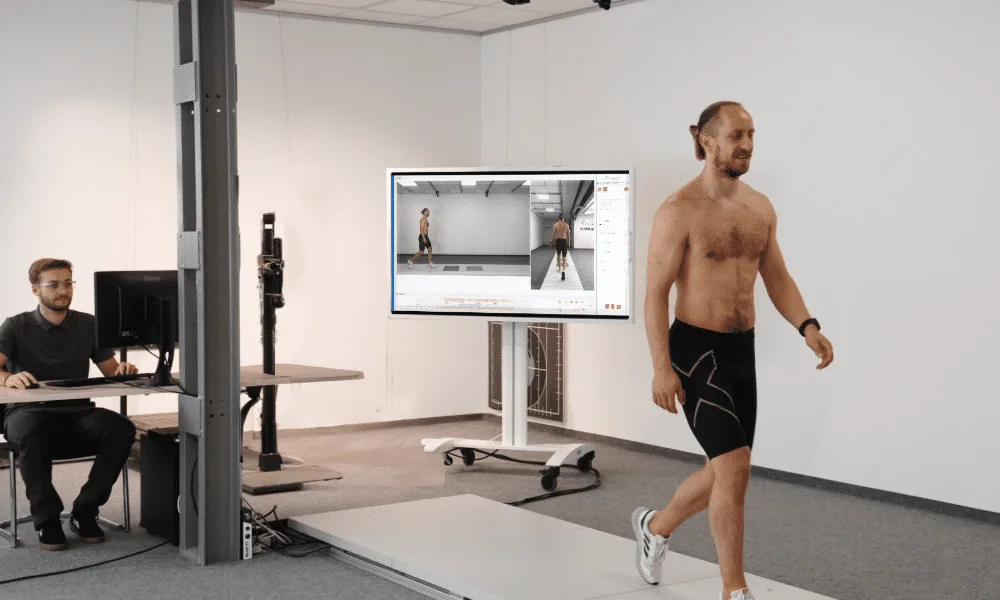
- Precision movement analysis
- High-level proprioceptive restoration
- Sport-specific performance progression
Because true recovery means more than healing a ligament - it means restoring confidence, control, and long-term joint health.